
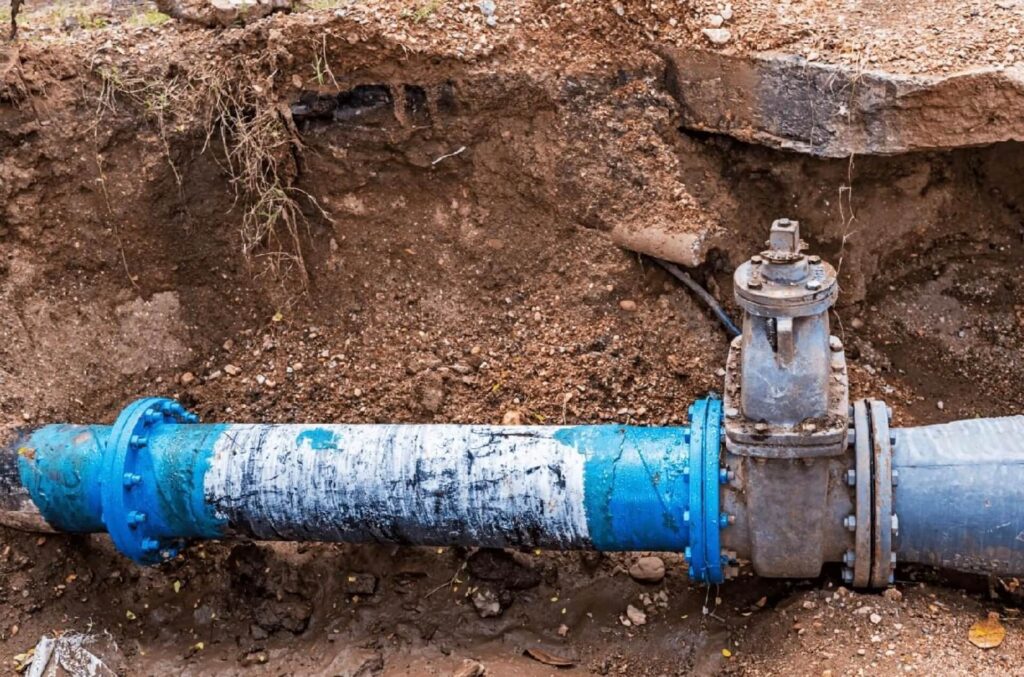
You need to know when water line replacement is necessary, rather than resorting to another quick fix. This knowledge can save you from expensive damage and health risks down the road. Persistent leaks, discoloured water, and unexplained water bills are often signs that your home’s water line needs more than a simple repair, especially when your home is over 50 years old.
DRAIN MASTER PLUMBERS helps homeowners understand the difference between when a repair will be enough and when full replacement is the better solution. You might be thinking about trenchless water line replacement or searching for reliable water line replacement near you. Understanding the warning signs and process matters when you make informed decisions about your home water line replacement needs.
Warning Signs You Need Water Line Replacement
Recognizing water line problems early can prevent major damage to your property. Several clear indicators point toward the need for water line replacement rather than temporary fixes.
Low Water Pressure Throughout Your Home
Water pressure typically ranges from 45 to 80 PSI under normal conditions, and anything below 40 PSI is considered low. Your main water line is failing when you notice reduced pressure affecting multiple faucets simultaneously. Mineral buildup, corrosion and hidden leaks restrict water flow through aging pipes. The problem lies deeper in your system if cleaning fixtures doesn’t restore normal pressure. Galvanized steel pipes, common in homes built between the 1940s and 1970s, narrow over time as sediment accumulates on pipe walls.
Discoloured or Rusty Water
Brown or rusty water flowing from your taps signals corroding pipes that release rust and debris into your water supply. Your main water line is deteriorating when both hot and cold water appear discoloured. Iron oxidation produces rust particles that contaminate the water, especially in older homes with galvanized steel or cast-iron pipes. This discoloration often appears with a metallic taste and can leave stains on sinks, bathtubs, and laundry.
Wet Spots or Pooling Water in Your Yard
Soggy patches that persist even in dry weather indicate leaks in underground water lines. Water escaping from buried pipes rises through the soil and creates damp areas that remain wet. You might notice lush vegetation or soil that feels soft and unstable along with the visible wet spots. The constant water flow erodes soil and creates underground voids. These voids can collapse into sinkholes that undermine walkways and damage your foundation.
Unexplained Increase in Water Bills
A sudden spike in your water bill without changes in household usage points to hidden leaks. A leak is very likely if your meter records consumption every hour, including overnight, when water use should be minimal. Property owners pay for all water flowing through the meter. Undetected leaks become a financial burden. Check your meter before bed and again in the morning. You have a leak somewhere in your system if the reading changed with no water use.
Frequent Water Line Repairs
Repeated repairs to the same section of pipe indicate the entire line has reached the end of its lifespan. DRAIN MASTER PLUMBERS can assess whether continued patching makes sense or if complete home water line replacement is the better investment.
Understanding Your Home Water Line System
Your home’s water supply depends on a primary underground pipeline that connects municipal water to your internal plumbing. Understanding how this system functions helps you recognize when problems require professional intervention from DRAIN MASTER PLUMBERS.
What is a Water Line and How Does it Work
The water line is the main pipe that delivers fresh water from your municipality’s supply to your home. Water enters through this pressurized line and passes through a meter that tracks consumption. It then branches to fixtures such as sinks, toilets, and showers. The main line splits near your water heater, creating separate hot and cold service lines that run throughout your property. Cold water travels to fixtures, while heated water flows from the water heater to hot water taps. This network operates under constant pressure, delivering water to upper floors and distant areas of your home.
Common Causes of Water Line Damage
Several factors deteriorate water lines over time. Stray underground electrical currents attack bare copper pipes through electrolysis and can destroy a line in under a year. Acidic ground conditions accelerate corrosion in both copper and brass pipes, especially in certain soil types. Water expands inside pipes when temperatures drop and can rupture uninsulated lines. Root intrusion from nearby trees can crack and penetrate pipes in search of moisture. Galvanized steel pipes corrode as their protective zinc coating wears away, exposing the steel to corrosion.
When Repair is Not Enough
Repair works when damage affects a small, accessible section of newer pipe under 20 years old. Trenchless water line replacement or a complete main water line replacement becomes necessary when pipes are more than 30 years old, show widespread corrosion, or require repeated emergency repairs. Homeowners with galvanized steel, clay, or lead pipes should consider replacing the home water line, regardless of visible symptoms.
What to Expect During Water Line Replacement
Replacing your water line involves several distinct phases. Each phase ensures a safe, reliable installation. What happens at each stage helps you prepare mentally and practically for the work ahead.
Original Inspection and Assessment by DRAIN MASTER PLUMBERS
The process begins with a full examination of your existing system. DRAIN MASTER PLUMBERS use specialized diagnostic tools, including leak detection equipment, sewer cameras and pipe locators, to identify the exact location and cause of problems. This inspection takes 1-2 hours on-site. The assessment reveals whether replacement is needed and determines the most suitable method for your property. We handle permit requirements once we identify the scope, which can take 1-2 weeks depending on your municipality.
Traditional vs Trenchless Water Line Replacement Methods
Traditional water line replacement requires excavating a full trench to access and remove the old pipe. Heavy machinery digs along the whole pipe route. This disrupts landscaping, driveways, and sidewalks.
Trenchless water line replacement methods work through small access points at each end of the pipe. Pipe relining involves inserting an epoxy-coated inflatable tube into the existing pipe, which then hardens to form a new pipe within the old one. Pipe bursting pulls a hydraulic breaker through the old line and lays new HDPE pipe in its place at the same time.
Timeline and Process Overview
Most residential water line replacements take one to three days from start to finish. Trenchless methods are completed in one to two days. Traditional open trench replacement requires two to three days. The work includes excavation, pipe installation and pressure testing to check for leaks. Final connections and site restoration complete the process.
Preparing Your Property for Replacement
Pathways from the street to your home should be clear before work begins. Vehicles, potted plants, garden hoses, and lawn furniture should be removed from the work area. Contact Ontario One Call to request underground utility locates. This ensures gas lines, electrical cables, and other infrastructure are marked.
Choosing the Right Water Line Replacement Solution
Selecting the appropriate replacement method and materials directly affects your system’s longevity and performance. Three factors guide this decision.
Benefits of Trenchless Water Line Replacement
Trenchless water line replacement preserves your landscaping, driveway, and existing structures. It requires only small access points at each pipe end. The method inserts a new pipe through existing channels, avoiding major excavation. This means you incur fewer restoration expenses and enjoy completed projects faster. Trenchless installations use seamless polyethylene pipes that resist corrosion, root intrusion, and leaks throughout their lifespan. The minimal soil disturbance also protects your yard’s ecosystem.
Selecting the Best Pipe Material
Underground water line materials include PEX, HDPE, and copper. PEX expands with temperature changes but must be buried below the frost line. HDPE offers flexibility and withstands wide temperature ranges. This makes it ideal for trenchless pipe bursting methods. Copper provides durability with a 50- to 70-year lifespan and inhibits bacterial growth. The right choice depends on your property’s condition, local code requirements, and long-term durability needs.
Finding Reliable Water Line Replacement Near Me
DRAIN MASTER PLUMBERS provides expert water line replacement with proper assessment and quality materials to last.
Conclusion
Water line problems require immediate attention to prevent extensive damage and contamination to your home. When you spot the warning signs early and understand your replacement options, you can make the right decision for your property. The key is to work with experienced professionals who assess your specific situation, whether you choose traditional excavation or trenchless water line replacement. DRAIN MASTER PLUMBERS provides the expertise and quality workmanship needed to ensure your water line replacement delivers reliable, long-lasting results.