
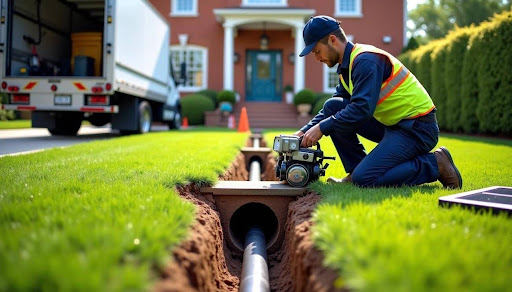
Trenchless water line replacement methods have reshaped how we handle underground pipe repairs without destroying your yard. Most jobs are completed in a single day, and the new pipes can last 50+ years. Traditional digging tears up landscaping, driveways and patios. Trenchless technology offers a minimally invasive alternative for homeowners facing water line problems.
DRAIN MASTER PLUMBERS understand that choosing between trenchless pipe repair and conventional methods can overwhelm you. We’ve created this piece to help you understand trenchless sewer replacement and trenchless pipe replacement options. You’llalso learn what to look for when hiring a plumber. We’ll walk you through the methods available and benefits over traditional replacement. You’ll also learn what questions to ask before making your decision.
Understanding Trenchless Water Line Replacement Methods
Trenchless technology operates through two main methods that address different pipe conditions. We use these techniques at DRAIN MASTER PLUMBERS to replace water lines with minimal disruption to your property. You need only two small access points instead of digging continuous trenches across your yard.
Pipe bursting breaks apart the existing damaged pipe and installs a replacement at the same time. A specialized bursting head gets pulled through your old water line using hydraulic or pneumatic force. It fractures the pipe outward and pushes fragments into surrounding soil. As this bursting head advances, it pulls a new pipe behind it. The new pipe is high-density polyethylene (HDPE) that’s fused into one continuous, jointless section. This method works for severely deteriorated, collapsed, or undersized pipes. It allows for upsizing by one to two pipe sizes.
Cured-in-place pipe lining (CIPP) rehabilitates your existing pipe without removing it. A flexible liner saturated with epoxy resin gets inserted into the damaged pipe, then inflated and cured using hot water, steam, or ultraviolet light. This process creates a smooth pipe within your old one and forms a structural component with a 100-year life. The epoxy material resists corrosion and root intrusion while maintaining flow capacity.
Both trenchless pipe replacement methods can be completed in 24 hours or less.
Why Choose Trenchless Over Traditional Water Line Replacement
Traditional water line replacement tears up yards for days or weeks. It damages landscaping and creates restoration projects that take a long time. Trenchless water line replacement requires only two small access points at entry and exit locations. Your property structures, driveways, and landscaping remain intact throughout the whole process.
Speed stands as the most important advantage. Most trenchless pipe repair projects get completed in 1 to 3 days. Many jobs finish in just a few hours. Traditional excavation methods can stretch over 3 to 5 days or longer. They disrupt your daily routine and leave your yard unusable during that time.
We install materials built to last at DRAIN MASTER PLUMBERS. Modern trenchless technology uses high-density polyethylene pipes and epoxy liners rated for 50 years or more. These materials resist corrosion, root intrusion, and leaks much better than older piping systems. The jointless construction eliminates weak points where failures occur.
Environmental benefits matter too. Trenchless sewer replacement reduces your carbon footprint. It eliminates heavy excavation equipment and preserves trees and natural landscapes. Less excavation means minimal waste generation and reduced disruption to local ecosystems. You skip the restoration headaches since there’s no extensive digging to repair afterward.
Hiring the Right Plumber: What to Look for and Questions to Ask
A qualified contractor will give a trenchless water line replacement project the promised benefits. Start by verifying proper licensing and complete insurance coverage. Any reputable trenchless pipe replacement specialist should hold manufacturer certifications for CIPP lining, epoxy coating, or pipe bursting systems, along with membership in industry organizations.
Video inspection separates professional contractors from those cutting corners. A camera inspection should occur before any work begins to confirm the problem’s location and severity. Request post-work camera footage showing the completed repair, proper connections, and absence of defects. This documentation becomes your proof of quality workmanship.
Warranty coverage reveals contractor confidence in their work. At DRAIN MASTER PLUMBERS, we understand that trenchless sewer replacement warranties vary by a large margin. Look for guarantees covering both materials and labor. Some contractors offer 50-year transferable warranties that protect against liner separation, cracking, and root intrusion. Ask whether the warranty transfers to new property owners and what the claim process involves.
Local experience matters. Contractors familiar with your area understand soil conditions, common pipe materials, and municipal codes. Before signing any agreement, ask about permits, projected timeline, site access requirements, and whether they’ll use subcontractors. Request references from recent trenchless technology projects.
Conclusion
Trenchless water line replacement offers a faster and less invasive solution compared to traditional excavation methods. Your property stays intact, the job gets completed in days rather than weeks, and the materials last 50+ years. Choosing the right contractor makes the difference between an uninterrupted experience and headaches that get pricey. We at DRAIN MASTER PLUMBERS recommend requesting video inspections and verifying certifications before committing to any project. Review warranty terms as well. This approach protects your investment and will provide you with quality results.