
Stubborn pipe blockages in Vancouver giving you trouble? Our hydro jetting services use powerful water streams between 1,500 and 4,000 PSI to blast away years of built-up gunk, grease, and even tree roots from your pipes. We have seen this cleaning method restore optimal flow to plumbing systems through our years of experience as plumbers.
Hydro jetting goes beyond traditional snaking that only creates a hole through clogs. The process cleans your pipes’ full diameter. A specialized hose with a nozzle goes into your plumbing system and blasts high-pressure water to scour away debris. Vancouver, BC, residents often ask us about hydro jetting’s worth and longevity. This piece will answer these questions. We’ll also explain whether this powerful cleaning method works safely with PVC pipes and discuss alternatives that might suit your plumbing system better.
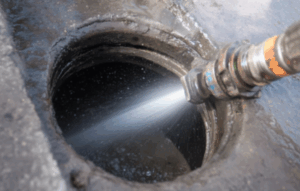
What is hydro jetting, and how does it work?
Hydro jetting is a modern plumbing technique that blasts highly pressurized water to clear tough blockages in your pipe system. The process works by sending powerful water jets through pipes that scour interior walls and remove built-up debris, grease, scale, and even tree roots.
Before starting, I need to inspect your plumbing system completely. A specialized camera helps me get into your pipes to spot blockages and check their condition. I find the right access point and set up a specialized hose with a unique nozzle that sprays water forward and backward.
The hydro jetting equipment releases water at pressures between 3,000 and 8,000 PSI. Most home jobs need about 4,000 PSI. This amazing force cleans your pipe’s entire diameter, unlike traditional snaking that just creates a path through blockages.
The process is eco-friendly since it uses only water without any harmful chemicals. Your pipes will be restored to almost new condition, and you’ll see far fewer clogs in the future.
Vancouver homeowners often ask about results, hydro jetting removes all but one of these blockages, from kitchen grease to mineral buildup that regular methods miss. This makes it really valuable for older buildings that have years of built-up debris.
Is Hydro Jetting Safe for PVC Pipes in Vancouver?
Many Vancouver homes have PVC pipes, and homeowners often ask about using hydro jetting on them. The good news? When done right, hydro jetting is safe for PVC pipes.
A complete inspection comes first. I always check the pipes with a sewer camera to get a full picture before starting. This helps me spot weak areas and set the right pressure levels. Getting this step right protects your plumbing and makes sure the cleaning works well.
Managing pressure is vital with PVC pipes. Professional equipment runs between 1,500 and 4,000 PSI, but PVC needs special attention. Studies show static jets at 2,000 PSI can harm PVC pipes if they stay in one spot for just 10 seconds. Dropping to 1,500 PSI keeps pipes safe even after 120 seconds of exposure.
The water jets’ angle makes a big difference in safety too. Tests show that 90-degree jets are harder on PVC than 135-degree jets at similar pressures. PVC gets less flexible as it ages. Vancouver’s cold weather can make these pipes more brittle and likely to crack.
These challenges don’t mean hydro jetting won’t work. It’s still great for PVC pipes when handled by pros who know the right pressure settings, nozzle choices, and cleaning methods.
Alternatives and Preventive Options for Pipe Cleaning
Homeowners looking beyond hydro jetting Vancouver services might find traditional drain snaking a good option, especially when dealing with minor clogs or older plumbing systems. A flexible cable physically breaks apart blockages near drain openings in this method. Drain snaking works best with softer obstructions like hair, soap scum, and food particles.
Pipe relining stands out as a long-term solution by creating a new pipe inside your existing one. This trenchless repair technique uses a resin-coated liner that hardens to become a standalone structural pipe. The new pipe resists cracks, corrosion, and root intrusion. The upfront cost exceeds hydro jetting, but pipe relining tackles the root cause instead of just treating symptoms.
Your chosen method needs regular maintenance. Here are some preventive strategies that work:
- Install drain screens to catch debris
- Avoid disposing grease and food scraps down drains
- Schedule routine professional inspections
Plumbing experts suggest hydro jetting every 1-2 years to maintain your system. Homes with frequent clogs might need yearly service. Pipe relining costs more initially but saves money over time by avoiding excavation costs that can hit CAD 1,672.
Note that each method serves specific purposes. Snaking offers quick fixes for fragile pipes, hydro jetting delivers thorough cleaning, and relining provides permanent structural solutions.

Conclusion
Hydro jetting remains one of the most effective ways to clear stubborn blockages, restore proper flow, and extend the life of your plumbing system, especially when handled by trained professionals who know how to protect PVC pipes. With the right inspection, controlled PSI levels, and proper nozzle selection, this method can safely clean even older or weather-exposed plastic pipes found in many Vancouver homes.
If you’re unsure whether your system needs hydro jetting, snaking, or a long-term solution like pipe relining, a licensed plumbing expert can help you choose the best option. Staying proactive with regular inspections and maintenance can save you from expensive repairs and unexpected plumbing emergencies down the road.
Ready to restore your plumbing system to peak performance?
Contact a trusted Vancouver hydro jetting specialist today for a full inspection and personalized recommendation, so your pipes stay clean, safe, and flowing smoothly year-round.