
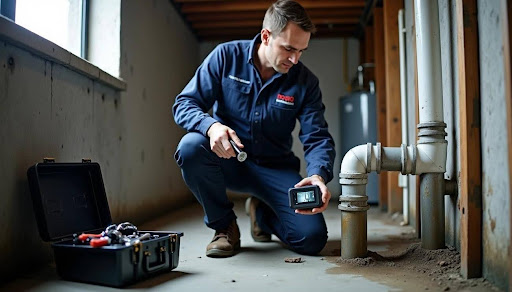
Drain repair problems rarely resolve on their own. Delays can turn minor issues into major repairs. Homeowners are responsible for maintaining the buried pipes outside the house that connect to the municipal sewer system—yet these external drainpipe repair needs tend to be ignored until it’s too late. Vancouver’s aging infrastructure and heavy rainfall can overwhelm drainage systems and result in basement floods and property damage.
We’ve created this piece to help you understand when drain cleaning services aren’t enough, and drain repair is necessary. We’ll walk you through recognizing repair situations and understanding available clogged drain repair options. You’ll also learn to prepare the right questions before calling a plumber.
When Drain Cleaning Isn’t Enough: Recognizing Repair Situations
Cleaning removes blockages inside otherwise functional pipes. Drain repair addresses structural damage to the pipes themselves. If you’ve had your main line cleared twice within a year, the next step involves a camera inspection. This will identify the cause of recurring problems.
The clearest indicator of a repair situation involves multiple fixtures backing up at once. Your toilet bubbles as you run the shower, or several drains slow down together. In this case, you’re dealing with a main sewer line problem rather than isolated clogs. Single-fixture issues point to localized blockages. System-wide symptoms signal deeper structural concerns.
Physical damage shows through several warning signs. Sewage leaking into your yard creates health hazards and saturates soil. This causes spongy ground, distinct wet spots, or lush grass patches. Persistent sewage odors inside your home indicate gasses escaping through cracked pipes. Gurgling sounds occur when air gets trapped by damaged sections and pushes water back through your drains.
Root intrusion represents a common repair scenario. Tree roots follow moisture into underground pipes and infiltrate even tiny cracks. Cleaning can clear roots for a while, but the compromised pipe allows them to return. Collapsed or misaligned pipes from ground settling create bellies where water pools and solids accumulate. This makes clogs inevitable regardless of cleaning frequency.
Older cast iron and clay pipes deteriorate over time and develop internal roughness that catches debris. Freeze-thaw cycles worsen existing cracks and expand small openings into full breaks.
Types of Drain Repair Services Available to Vancouver Homeowners
Vancouver plumbers offer several approaches to drainpipe repair. Each one is right for different damage scenarios. Traditional excavation remains necessary when pipes have completely collapsed or suffered severe misalignment. This method involves digging trenches to access damaged sections, removing old pipes, and installing new ones. Heavy machinery exposes underground pipes for full inspection. Plumbers can then address tree root infiltration and extensive blockages.
In stark comparison to this, trenchless repair techniques minimize property disruption through two methods. Pipe lining, also called cured-in-place pipe (CIPP), inserts a resin-saturated tube into damaged pipes. The epoxy resin cures to form a hard, smooth lining within the existing pipe and creates a new pipe inside the old one. This approach works well for pipes with cracks or minor damage. You can complete the repair relatively quickly.
Pipe bursting offers an alternative by pulling a new pipe through the old one while fracturing the damaged pipe at the same time. The bursting head breaks apart the existing pipe and pushes fragments into surrounding soil as new pipe takes its place. This method suits severely damaged pipes that require full replacement without extensive excavation.
Spot repairs address localized damage through patches, clamps or small section replacements. These targeted solutions fix specific problem areas without replacing entire pipe runs.
Preparing Your Home and Questions to Ask Your Plumber
Clear all cabinets under affected sinks and remove personal items from countertops before any drain repair work begins. This gives your plumber workspace. Check the path from your front door to the drain access point. Move furniture and area rugs that could be damaged, along with decorative items. Remove furniture, vehicles and landscaping equipment located above underground lines that need access outdoors.
Vetting your plumber protects you from substandard work. Verify licensing status first. Trade certification guarantees completion of apprenticeship training and proper knowledge. Ask for proof of insurance coverage. This protects you from liability if accidents occur during drainpipe repair. Confirm that the contractor is registered with WorkSafe BC for insurance coverage.
Request references from past clients you can contact. This helps assess work quality and reliability. Ask whether the company provides written contracts that describe the exact scope of work and completion dates. The contract should include your expectations for property condition after work is completed. This covers debris removal and landscaping restoration.
On top of that, ask about warranties covering both workmanship and materials. Most drain repair warranties last one to five years depending on service complexity. Ask for CCTV footage of your pipes before and after repairs. Request your own copy for future reference. Ensure contractors get required permits. Inspections guarantee workmanship and often fulfill home insurance requirements if problems arise later.
Conclusion
Drain repairs require more than quick fixes. You protect your Vancouver home from costly water damage when you are willing to see the difference between simple clogs and structural damage. We’ve shown you how to identify repair situations and understand your service options from traditional excavation to trenchless methods. You now know the right questions to ask your plumber. Use this knowledge to make informed decisions before problems escalate. Remember to choose qualified professionals who provide documentation and warranties.